Hanover Parish, Jamaica is one of the western parishes on the island, located in the north-western region within the county of Cornwall. Known for its coastal beauty, historic harbour, growing communities, and connection to western Jamaica’s tourism corridor, Hanover plays an important role in the island’s development, local commerce, and visitor appeal.
Hanover is bordered by Saint James to the east, Westmoreland to the south, and the Caribbean Sea to the north. As one of the 14 parishes of Jamaica, Hanover also forms part of the wider Caribbean region and is closely linked to major western destinations such as Montego Bay and Negril.
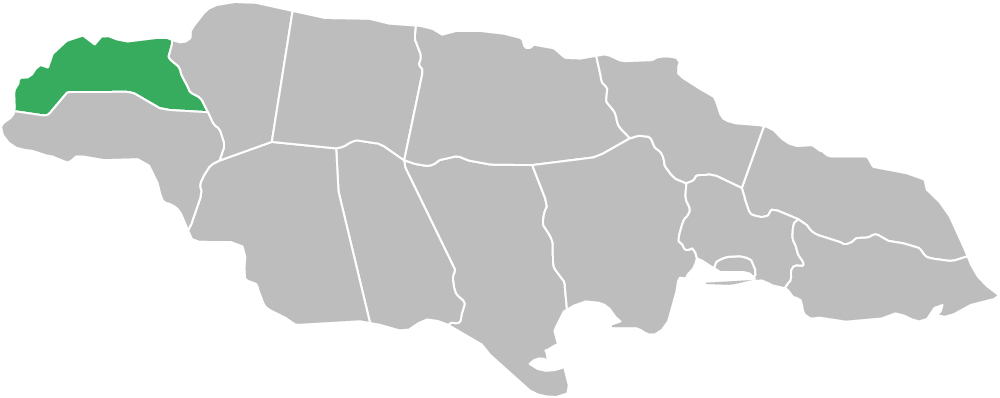
The parish is administered by the Hanover Municipal Corporation, which oversees local governance, infrastructure, and development.
Land Area: 450.8 sq km (174.1 sq mi)
Capital Town: Lucea
Hanover was established in 1725 and was named after King George I of Great Britain, who belonged to the House of Hanover in Germany. The capital town, Lucea, developed around a deep natural harbour that helped shape the parish’s historical importance.
Lucea Harbour has long been regarded as one of the safest natural ports in Jamaica. The parish’s hills and coastal setting have also made it notable for scenic views, especially from areas such as Dolphin Head Mountain, which overlooks sections of western Jamaica and the surrounding coastline.
Although Hanover is sometimes overshadowed by nearby tourism centres, it remains one of Jamaica’s historically rich and naturally attractive parishes, with a strong identity shaped by trade, agriculture, and coastal settlement.
The geography of Hanover Parish, Jamaica includes coastal plains, rivers, hills, and rural communities. Its north coast location gives the parish access to beaches, bays, and marine resources, while inland areas support farming and settlement.
Hanover combines coastal beauty with hilly interior districts, creating a landscape that supports tourism, fishing, agriculture, and local community life across the parish. Its location between Saint James and Westmoreland also makes it an important part of western Jamaica.
The economy of Hanover Parish, Jamaica is based largely on tourism, agriculture, fishing, and commerce. Its coastal location and proximity to Montego Bay and Negril help support visitor activity, small businesses, and development opportunities.
Farming and fishing also contribute to the parish’s local economy, while towns such as Lucea, Green Island, and Hopewell serve as important centres for trade and community life.
The major towns in Hanover Parish serve as important centres for commerce, transportation, tourism, and daily life across the region.
This section includes towns, villages, and local communities across Hanover Parish. These locations form the backbone of the parish’s population, tourism, commerce, and local economy.
Hanover is one of the 14 parishes of Jamaica and is part of the wider Caribbean region. Its coastal setting, historic harbour, growing tourism activity, and rural communities make it an important parish in western Jamaica.
Hanover is located in the north-western region of Jamaica, bordered by Saint James, Westmoreland, and the Caribbean Sea.
Hanover is known for its coastline, scenic harbour at Lucea, rural communities, and its connection to western Jamaica’s tourism region.
The capital town of Hanover Parish is Lucea.