Support the Read to Succeed Back to School Initiative
Kindness starts with you! 📚✨
Support the students and staff of Meadowbrook High School through the Read to Succeed Book Drive initiative. Proceeds from book sales and direct donations will help fund essential campus renovations, facility upgrades, and the school’s athletic teams (Champs).
How to Support:
Purchase the Book: Buy Personals—a percentage of all sales goes directly to Meadowbrook High School: @[https://www.xlibris.com/en/books... moreSupport the Read to Succeed Back to School Initiative
Kindness starts with you! 📚✨
Support the students and staff of Meadowbrook High School through the Read to Succeed Book Drive initiative. Proceeds from book sales and direct donations will help fund essential campus renovations, facility upgrades, and the school’s athletic teams (Champs).
The Science, Myth and Magic of the Summer Solstice
There is a distinctive magic to the peak of summer. The evenings stretch out a little longer, the air feels alive, and for a brief moment, time feels like it stands still.
Today marks the Summer Solstice—the official astronomical start of summer in the Northern Hemisphere and the longest day of the year. But beyond being a great excuse for a late-night barbecue, what is actually happening when the sun reaches its highest peak?
The Science: A ... moreThe Science, Myth and Magic of the Summer Solstice
There is a distinctive magic to the peak of summer. The evenings stretch out a little longer, the air feels alive, and for a brief moment, time feels like it stands still.
Today marks the Summer Solstice—the official astronomical start of summer in the Northern Hemisphere and the longest day of the year. But beyond being a great excuse for a late-night barbecue, what is actually happening when the sun reaches its highest peak?
The Science: A Planetary Tilt
It’s a common misconception that summer happens because Earth is closer to the sun but in reality, our orbit is nearly circular. The seasons are entirely dictated by a planetary lean.
Our planet Earth spins on an axial tilt of about 23.5 degrees. During the summer solstice, the Northern Hemisphere is tilted at its maximum angle directly toward the sun.
Because of this tilt, the sun tracks its highest and longest path across our human sky. If you live far enough north, the sun won't even set at all—a phenomenon known as the "midnight sun." Meanwhile, in the Southern Hemisphere they are experiencing the exact opposite: their winter solstice, marking their shortest day of the year.
The word solstice itself comes from the Latin words sol and sistere (to stand still). For a few days surrounding the solstice, the sun appears to stop its daily northern migration and hover at the exact same peak noon height before slowly reversing direction.
Ancient Shadows and Monumental Magic
Long before we had smartphones and GPS to track the cosmos, ancient civilizations were perfectly in sync with the sky. To them, the solstice wasn't just a calendar date; it was a matter of survival, signaling when to plant and harvest crops.
They built massive stone structures that acted as giant astronomical clocks:
Stonehenge (England): On the morning of the summer solstice, the sun rises precisely over the Heel Stone, shooting a beam of light directly into the center of the monument.
The Great Pyramids of Giza (Egypt): If you stand at the Sphinx on the solstice, the sun sets directly between the two largest pyramids, perfectly framing a hieroglyphic symbol for "horizon."
Chankillo (Peru): A solar observatory built over 2,300 years ago uses thirteen stone towers aligned along a ridge to track the sun's movement through every single phase of the year.
The Catch: Why Isn't It the Hottest Day?
If today we receive the maximum amount of solar energy and sunlight, you might think it should be the hottest day of summer but it is almost never so. That honor usually belongs to late July or August.
This delay is called the seasonal lag. Think of it like heating up a giant pot of water on the stove. Even when you turn the flame up to high, it takes a considerable amount of time for the water to absorb that energy and start boiling. Earth’s massive oceans and landmasses absorb the intense solstice sunlight, but they take several weeks to release that heat back into the atmosphere.
How to Celebrate Today
The solstice is a reminder to slow down and appreciate the abundance around us. Here are a few simple ways to mark the longest day:
1. Catch the twilight: Take advantage of the prolonged dusk. Go for a late walk or sit outside without turning any lights on.
2. Bring the outdoors in: Gather fresh summer flowers or green branches to brighten your living space.
3. Unplug: Give yourself an hour away from screens to simply look up at the sky and feel the warmth of the sun.
Happy Summer Solstice! Enjoy every extra minute of sunlight.
The Quiet Revolution: Finding the Way Back to Yourself
In an era defined by constant connectivity and the relentless pursuit of "more," the most profound journey we can take is the one that leads us inward. We spend our most of our lives curated for the gaze of others, yet we often remain strangers to our own souls. To "become one with self" is not a spiritual cliché; it is a vital act of reclamation. It is the process of silencing the external noise to hear the frequency of our own existence.
... moreThe Quiet Revolution: Finding the Way Back to Yourself
In an era defined by constant connectivity and the relentless pursuit of "more," the most profound journey we can take is the one that leads us inward. We spend our most of our lives curated for the gaze of others, yet we often remain strangers to our own souls. To "become one with self" is not a spiritual cliché; it is a vital act of reclamation. It is the process of silencing the external noise to hear the frequency of our own existence.
The bridge to this inner unity is built on two sturdy pillars: the discipline of meditation and the radical practice of kindness.
The Anchor of Meditation
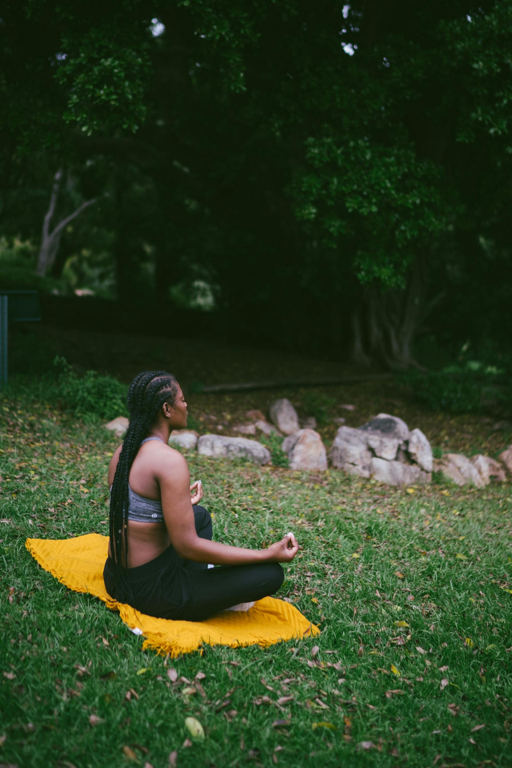
Meditation is often misunderstood as an attempt to "empty the mind." In reality, it is the art of witnessing. When we sit in stillness, we are not trying to stop the waves of the ocean; we are learning to sit on the shore and watch them without being swept away.
By focusing on our breathing — the only constant bridge between our physical body and our consciousness—we begin to dissolve the friction between who we are and who we think we should be. In that space of observation, we realize that we are not our anxieties, our past mistakes, or our future to-do lists. We are the awareness behind them. This realization is the first step toward unity: recognizing that the "self" is a sanctuary, not a project to be fixed.
Kindness: The External Mirror of Internal Peace
If meditation is the internal work, kindness is its outward expression. It is impossible to be truly at one with yourself while harboring cruelty or judgment toward others. Why? Because the way we treat the world is a direct reflection of our internal landscape.
• Self-Kindness: We cannot find unity if we are at war with our flaws. Integrated living requires a gentle "inner dialogue" that replaces the harsh critic with a supportive mentor.
• Universal Kindness: Being kind to others reinforces the truth of our interconnectedness. Every act of compassion thins the veil of ego that keeps us feeling isolated and fragmented.
Living as a Whole Being
Becoming one with yourself doesn't mean you reach a state where life is perfect. It means you reach a state where you are present for your life, exactly as it is.
When we meditate, we cultivate the presence. When we practice kindness, we cultivate the heart. Together, these practices transform our experience from a series of disjointed reactions into a cohesive, meaningful flow. We stop searching for "home" in the approval of others or the acquisition of things, and we realize that home has been within us all along, waiting for us to simply be still enough to notice.
The path to self-unity isn't a destination—it’s a daily decision to show up, breathe, and be gentle.
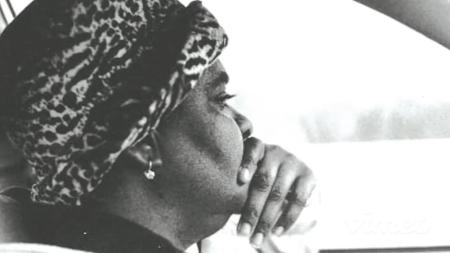
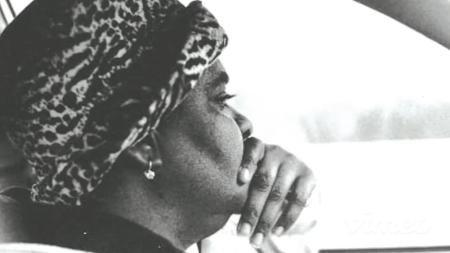
November 25th, marks the International Day for the Elimination of Violence against Women. This observance is not just a formality but a global alarm bell ringing over what the UN Secretary-General has rightly called the “shadow pandemic.” Violence against women (VAW) remains one of the most widespread, persistent, and devastating human rights violations in our world, touching every country, class, and culture.
The statistics are surprising, yet they fa... moreThe Elimination of Violence towards Women
November 25th, marks the International Day for the Elimination of Violence against Women. This observance is not just a formality but a global alarm bell ringing over what the UN Secretary-General has rightly called the “shadow pandemic.” Violence against women (VAW) remains one of the most widespread, persistent, and devastating human rights violations in our world, touching every country, class, and culture.
The statistics are surprising, yet they fail to capture the daily reality of fear, trauma, and degradation faced by millions. Roughly one in three women globally experiences physical or sexual violence, often at the hands of an intimate partner. This isn’t a hidden crime; it’s a visible structure of inequality woven into the fabric of society, manifesting as physical assaults, and psychological abuse.
The roots of this are deeply intertwined with gender inequality. It’s fueled by patriarchal structures, historical power imbalances, and pervasive misogyny that views women as subordinate property rather than as equal human beings. When judicial systems fail to prosecute perpetrators, and when cultural norms rationalize or minimize abusive behavior, impunity becomes the bedrock upon which violence thrives. The societal cost is hefty, stifling economic growth, burdening healthcare systems, and preventing half the world’s population from achieving their full potential.
Call to Volunteer in Post-Melissa Jamaica Relief Efforts: Help That Empowers
Hurricane Melissa, the strongest storm ever to make landfall in Jamaica, did more than just tear off roofs and flood coastlines; it laid bare the profound vulnerability of critical infrastructure and upended tens of thousands of lives. In the aftermath of such a disaster, the impulse to help is powerful, immediate, and global. Aid is pouring in, and many well-meaning foreign volunteers are currently planning trips or a... moreCall to Volunteer in Post-Melissa Jamaica Relief Efforts: Help That Empowers
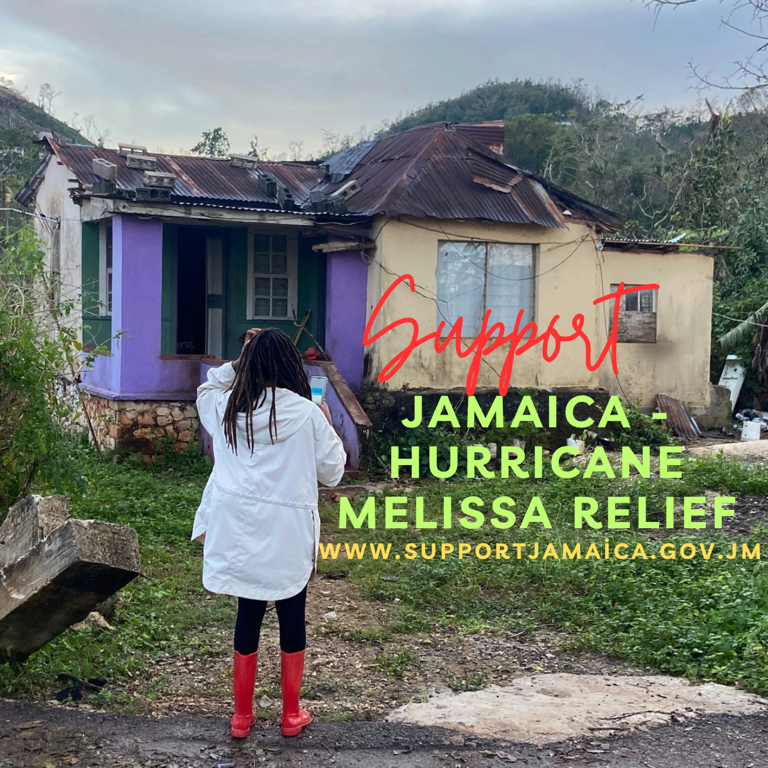
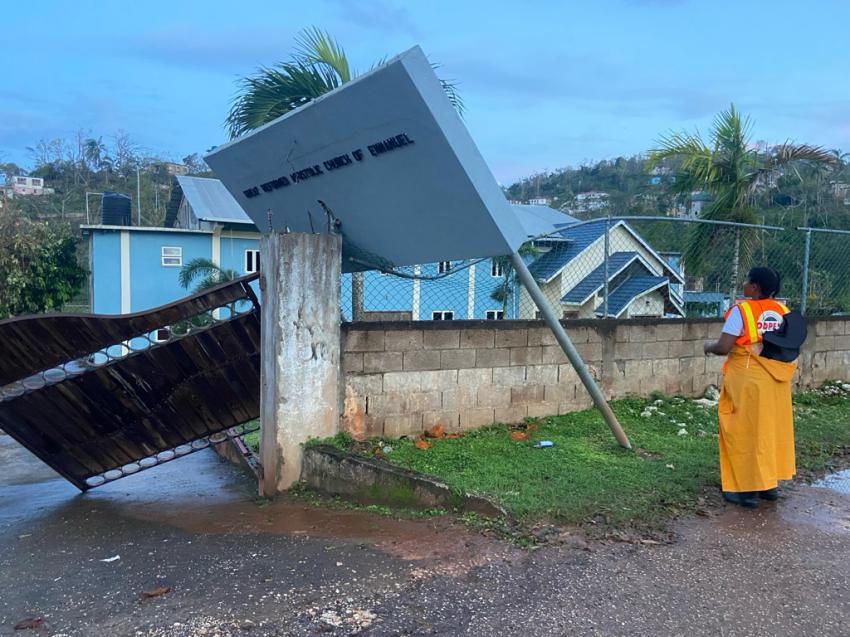
Hurricane Melissa, the strongest storm ever to make landfall in Jamaica, did more than just tear off roofs and flood coastlines; it laid bare the profound vulnerability of critical infrastructure and upended tens of thousands of lives. In the aftermath of such a disaster, the impulse to help is powerful, immediate, and global. Aid is pouring in, and many well-meaning foreign volunteers are currently planning trips or are already on the ground.
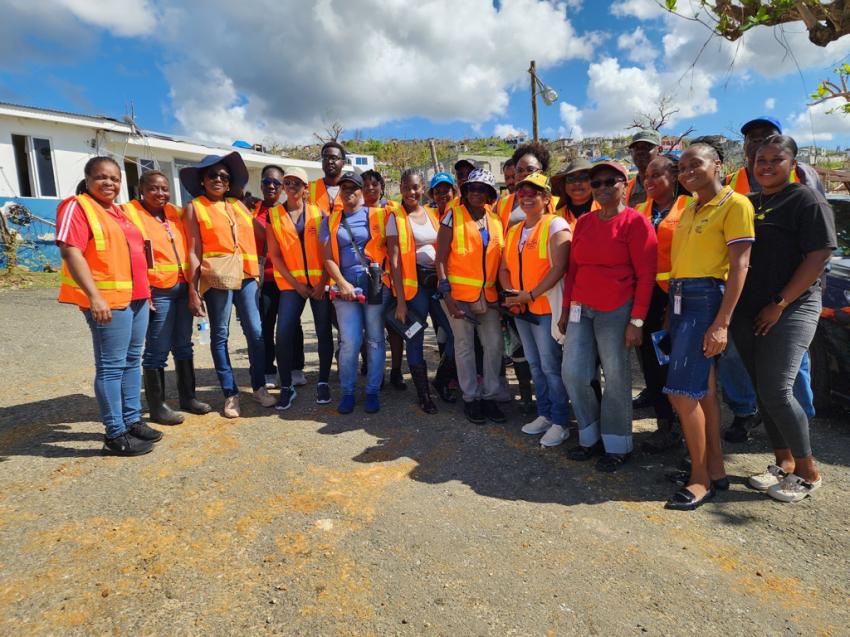
Jamaica’s recovery needs are immense, spanning years, not weeks. Initial damage assessments show widespread destruction across the western parishes, leaving a massive debris field, compromised healthcare facilities, and a lingering sense of trauma. The most immediate needs i.e. debris clearance, temporary shelter, clean water, and basic medical care— demand action. But this action must be measured, targeted, and, above all, led by Jamaicans.
Post-disaster recovery is highly specialized. The local government, led by agencies like the Office of Disaster Preparedness and Emergency Management (ODPEM), the Jamaica Red Cross, and dedicated community organizations, has established structures and a database of local volunteers. They know the terrain, the communities, and the critical supply chains. Any external effort that bypasses these local channels risks creating logistical headaches, diverting resources, and undermining the very resilience we seek to support.
The first and most critical form of international aid is financial support. Unrestricted cash donations to established, reputable local organizations allow them to procure culturally appropriate goods, hire local labor, and boost the struggling regional economy. Money doesn't need a visa; it fuels local self-determination and recovery.
For those with specialized skills; licensed medical professionals, structural engineers, specialized heavy equipment operators, or mental health experts trained in disaster relief — the call is different. These individuals possess a scarcity of skills that Jamaica urgently requires. However, they must coordinate their deployment through recognized organizations like Project HOPE, Team Rubicon, or the IFRC, and align their mission with the priorities set by the Jamaican Ministry of Health or National Works Agency. Their presence should be focused on training and transferring knowledge to local counterparts, ensuring sustainability long after they depart.
Finally, we must recognize the long-term emotional and psychological toll of a Category 5 hurricane. The trauma doesn't vanish with the debris. Volunteers focused on psycho-social support—who are culturally competent and fully understand the local context—will be invaluable in the coming months and years as communities begin the arduous process of rebuilding not just structures, but lives.
The people of Jamaica are resilient and resourceful. As the global community steps up to help, we must ensure our assistance respects their autonomy and elevates their leadership. True solidarity means recognizing that the best form of help is the kind that ultimately makes outside help obsolete. In this post-Melissa recovery, let’s commit to ethical aid that moves Jamaica from surviving to thriving, guided by Jamaican hands.
The roar of Hurricane Melissa has faded, but the devastation it left across the Caribbean, specifically in Jamaica and Cuba, remains a stark, heartbreaking reality. We have seen footage of the flattened homes, the submerged towns, the disrupted lives, and the question feels heavy in the air: "Why do we fall?"
It’s a question posed in the cinematic crucible of Batman Begins by Bruce Wayne’s father, moments after the young boy’s tumble into a well. The answer, s... moreAfter the Storm: Learning to Rise
The roar of Hurricane Melissa has faded, but the devastation it left across the Caribbean, specifically in Jamaica and Cuba, remains a stark, heartbreaking reality. We have seen footage of the flattened homes, the submerged towns, the disrupted lives, and the question feels heavy in the air: "Why do we fall?"
It’s a question posed in the cinematic crucible of Batman Begins by Bruce Wayne’s father, moments after the young boy’s tumble into a well. The answer, simple yet profound, now echoes across a landscape ravaged by a Category 5 hurricane: “So we can learn to pick ourselves up.”
Melissa was a force of nature unlike any in Jamaica’s recorded history—a stark, terrifying reminder of the planet's raw, unpredictable power, and perhaps, of the accelerating climate crisis. The trauma is REAL. The loss of life is TRAGIC. The economic damage, estimated in the billions, is a crushing weight, especially for developing nations still striving for stability.
The "fall" was complete. Now, the lesson begins.
• The Lesson of Preparation: The relatively lower death toll, compared to the potential for a storm of this magnitude, is a testament to accurate forecasting, mandatory evacuations, and the dedicated efforts of local authorities and emergency responders. We learned that early action saves lives. This success must now inform future, more robust preparedness strategies—for the next "unprecedented" storm is always a possibility.
• The Lesson of Community: In the aftermath, the truest strength of a people shines through. It is in the neighbour wading through floodwaters to check on the elderly, the volunteer clearing a main road with a borrowed chainsaw, and the diaspora quickly mobilizing aid. Adversity strips away the superfluous, revealing the essential—our shared humanity and collective will to survive.
• The Lesson of Rebuilding: Recovery will be a marathon, not a sprint. It demands resilience, yes, but also a commitment to building back better. Our infrastructure, our housing, our essential services must be reconstructed to withstand the inevitable future assaults. The goal is not merely to restore the past, but to create a more resilient, sustainable future.
The journey ahead is daunting. It involves clearing debris, restoring power and water, providing shelter, and, most importantly, tending to the emotional scars that a disaster like Melissa leaves behind.
But in the rubble, a new determination takes root. The act of "picking ourselves up" is not just about physical reconstruction; it is a declaration of spirit. It is the commitment to honour the fallen by securing the future for the living. The great winds tried to break us, but they have instead revealed the depth of our foundation. We fell. Now, let us rise, wiser, stronger, and more united than before.
Visionary Craft LLC would like to thank its supporters for their generous contributions to the Read to Succeed Book Drive Initiative. Your dedication has been instrumental in making this event a resounding success, and we're incredibly grateful for your commitment to promoting literacy and education in our community.
We also extend our heartfelt appreciation to everyone who participated, including individuals, local businesses, and community organizations. Together, we are building a brighter,... moreVisionary Craft LLC would like to thank its supporters for their generous contributions to the Read to Succeed Book Drive Initiative. Your dedication has been instrumental in making this event a resounding success, and we're incredibly grateful for your commitment to promoting literacy and education in our community.
We also extend our heartfelt appreciation to everyone who participated, including individuals, local businesses, and community organizations. Together, we are building a brighter, more literate future for our country.
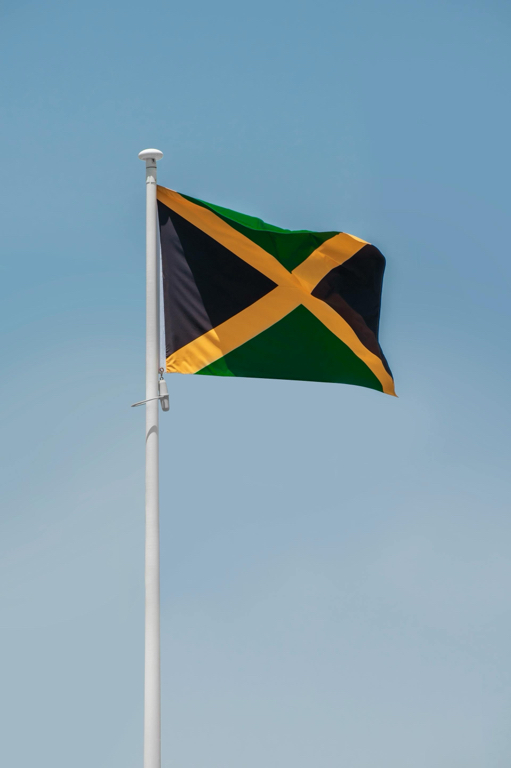
63 years ago, a new nation was born. On August 6, 1962, the black, green, and gold of a new flag was raised, signaling to the world that Jamaica was free. We were no longer a colony, but a sovereign state, masters of our own destiny. The journey to that moment was long and arduous, paved with the sacrifices of countless men and women who dared to dream of a better future. As we celebrate our 63rd year of Independence, it is a time for reflection, gratitude, and re... moreHappy Independence Day Jamaica
63 years ago, a new nation was born. On August 6, 1962, the black, green, and gold of a new flag was raised, signaling to the world that Jamaica was free. We were no longer a colony, but a sovereign state, masters of our own destiny. The journey to that moment was long and arduous, paved with the sacrifices of countless men and women who dared to dream of a better future. As we celebrate our 63rd year of Independence, it is a time for reflection, gratitude, and renewed commitment to the ideals that sparked our nation's birth.
Independence was more than just a political transition; it was a cultural awakening. It was a moment when we began to define ourselves on OUR own terms. We have moved beyond the shadow of colonialism to embrace and celebrate our unique identity—our music, our food, our art, our culture and our indomitable spirit. This spirit, encapsulated in our national motto, "Out of Many, One People," has seen us rise to prominence on the global stage. From the rhythmic poetry of our reggae music, which has become a universal language of peace and protest, to the athletic prowess of our sprinters, who have consistently demonstrated that we are a force to be reckoned with, we have shown the world the power and creativity of a small island with a BIG heart.
However, as we wave our flags with pride, it is also important to acknowledge that the journey of nation-building is a continuous one. We have faced challenges, some of which persist to this present. The fight against poverty, crime, and inequality is far from over. The dream of a truly equitable society, where every Jamaican, regardless of their social standing or background, has the opportunity to thrive, remains a work in progress. This Independence Day, let us not only celebrate our achievements but also recommit ourselves to tackling these persistent issues with the same determination and unity that our forefathers demonstrated.
Independence may I remind you is not a destination; it is a civic responsibility. It is the responsibility of every citizen to contribute to the betterment of our society. It is the responsibility of our leaders to govern with integrity and foresight. It is the responsibility of our communities to foster a spirit of cooperation and mutual respect. Let us use this occasion to bridge the divides that separate us and work together to build a Jamaica that is not only free but also prosperous, just, and safe for all.
So, this Independence as the music plays, the food is shared, and the flags flutter in the breeze, let us remember the true meaning of this day. Let us honor the past, celebrate the present, and, most importantly, look to the future with hope and determination.
Happy Independence Day, Jamaica! May God bless our land, and may we continue to be a shining example to the world.